
Create a Wallet
Create or import on a trusted device, then confirm that recovery material remains under your control before moving on.
Open guide →Manage assets across multiple networks, understand sending and receiving, verify network selection, connect to DApps, review approvals and build stronger wallet security habits.
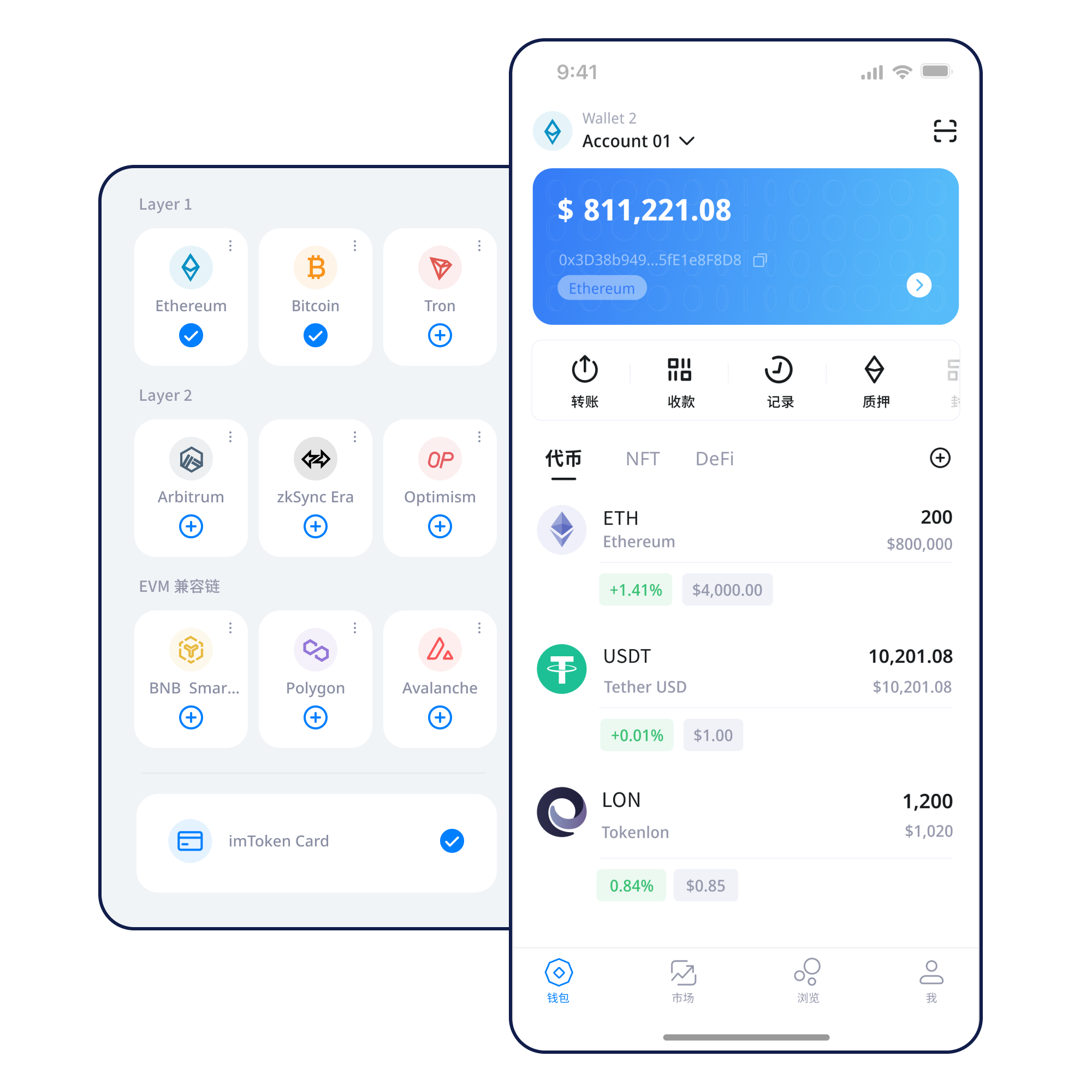
Creation, backup, transfers and DApp use have different checks and different risk boundaries.
Create or import on a trusted device, then confirm that recovery material remains under your control before moving on.
Open guide →Keep recovery material offline, verify its order and readability, and avoid exposing it through screenshots, chat apps or public cloud storage.
Open guide →Before sharing a receive address, confirm that the intended network, address and asset match instead of relying on address appearance alone.
Open guide →Before sending, re-check the recipient, network, asset, amount and Gas, then review the final transaction summary before signing.
Open guide →Verify the DApp domain and account request first, then review connection, message signing, transaction signing and token approvals as separate actions.
Open guide →Keep the differences between assets, networks, transfers and approvals visible.
Review balances together with the active network, account and confirmation status.
Explore multi-chain →
Mobile access for network management, asset review and transaction history.
Check address, network, amount, gas and transaction hash.
Browser connections with explicit approval review.
Network choice affects balances, fees, confirmations and contract availability.
Multiple networks can appear in one wallet while balances remain on separate chains.
Always verify the active network before moving assets or calling a contract.
Nodes, blocks and consensus record transactions and confirmations.
Always verify the active network before moving assets or calling a contract.
Compatible networks share execution concepts but keep separate state and gas markets.
Always verify the active network before moving assets or calling a contract.
Layer 2 systems scale mainnet and often use dedicated bridge or withdrawal flows.
Always verify the active network before moving assets or calling a contract.
Fees and confirmations help explain cost, inclusion and finality.
Always verify the active network before moving assets or calling a contract.
Use the official download entry and verify the product.
Keep recovery material away from websites and chat tools.
Store the seed phrase offline and never share private keys.
Confirm the active network before every transfer or contract action.
Check address, amount, network and fee asset.
Keep transaction hashes and review approvals you no longer need.
Connecting a wallet does not mean every later signature or approval should be accepted.
Open the Web3 guide →Wallet security is more than protecting a seed phrase or private key. It also includes recognizing phishing pages, checking device conditions, understanding what a signature authorizes and reviewing long-lived approvals. Your recovery secrets remain under your control, and imtoken will not ask you to submit them through a web page, chat or supposed support channel. Before a transfer, confirm the address, network, asset and amount. After connecting to a DApp, treat every message signature, transaction signature and token approval as a separate decision. On-chain transactions generally cannot be reversed unilaterally by a wallet, so careful review before confirmation matters more than attempting recovery afterward.
Open security center →Addresses, seed phrases, private keys, networks, gas, transaction hashes, DApps and approvals form one practical learning path.
Read the guide →Nodes, blocks and confirmation state.
Execution, gas and contract calls.
Mainnet relationships and bridging.
Approval scope and lifecycle.
Recovery material and phishing.
Plain-language definitions.
Learn about PoS, validators, reward sources, network state, withdrawals and exits.
Learn more →Rewards can change, exits may involve waiting periods, validators can be penalized, smart contracts can fail and asset prices can fluctuate.
PoS & validators →Address format alone does not prove the correct network.
No. imtoken will not ask you to send a seed phrase, private key or verification code.
Match the network used by the sender, recipient, token or DApp; do not rely on address format alone.
Check recipient, network, asset, amount and gas, then review the request again before signing.
It is a public identifier used to look up a transaction on the correct network explorer.
No. Connection, signing, transactions and approvals are different actions.
No. Rewards can change and staking involves network, validator, contract and market risk.